Embarking on a journey of learning effective filmmaking techniques can greatly enhance your video production skills. This guide delves into the captivating essentials of constructing a wedding film th
Understanding the Essence of Cinematic Filming
Creating a cinematic wedding film requires more than just capturing events as they happen. It involves understanding the emotional depth and intimate moments between the couple and their guests. Utilize a combination of wide and close-up shots to showcase the grandeur of the venue while also focusing on the finer details. By balancing these elements, you create a story that resonates emotionally with the audience.
Mastering Your Camera Setup for Wedding Videography

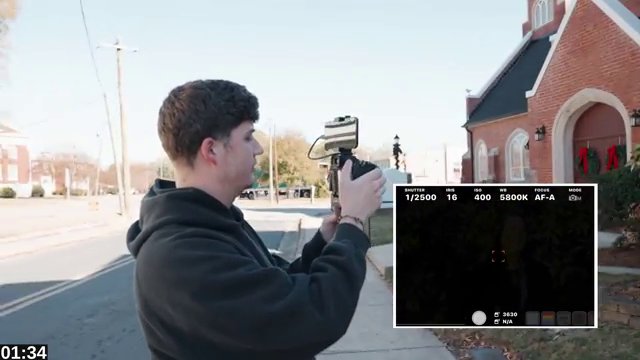
To achieve the desired cinematic effect, it's crucial to configure your camera settings meticulously. Prioritize a shallow depth of field to accentuate subjects against a softly blurred background. Adjusting the ISO and white balance ensures that you capture clear, vibrant footage regardless of lighting conditions. Understanding how to adapt these settings will empower you to respond to dynamic environments swiftly.
Capturing the Ceremony: The Heart of the Film
The ceremony is the emotional cornerstone of the wedding film. Position yourself strategically to capture the reactions of the couple and the audience without obstructing the view. Use multiple angles to ensure you can highlight significant moments, like the exchanging of vows or the first kiss, with cinematic flair. This approach gives viewers the sensation of experiencing the event firsthand, enhancing the film's emotional impact.
Crafting the Narrative through Skilled Editing
Editing is where the magic happens, transforming raw footage into a cohesive narrative. Begin with selecting the clips that capture the essence and emotion of the day. Employ transitions and music scores that complement the mood, guiding the viewer through the emotional journey of the event. The final step is color grading, which enhances the visual aesthetics and unifies the overall tone of the film.